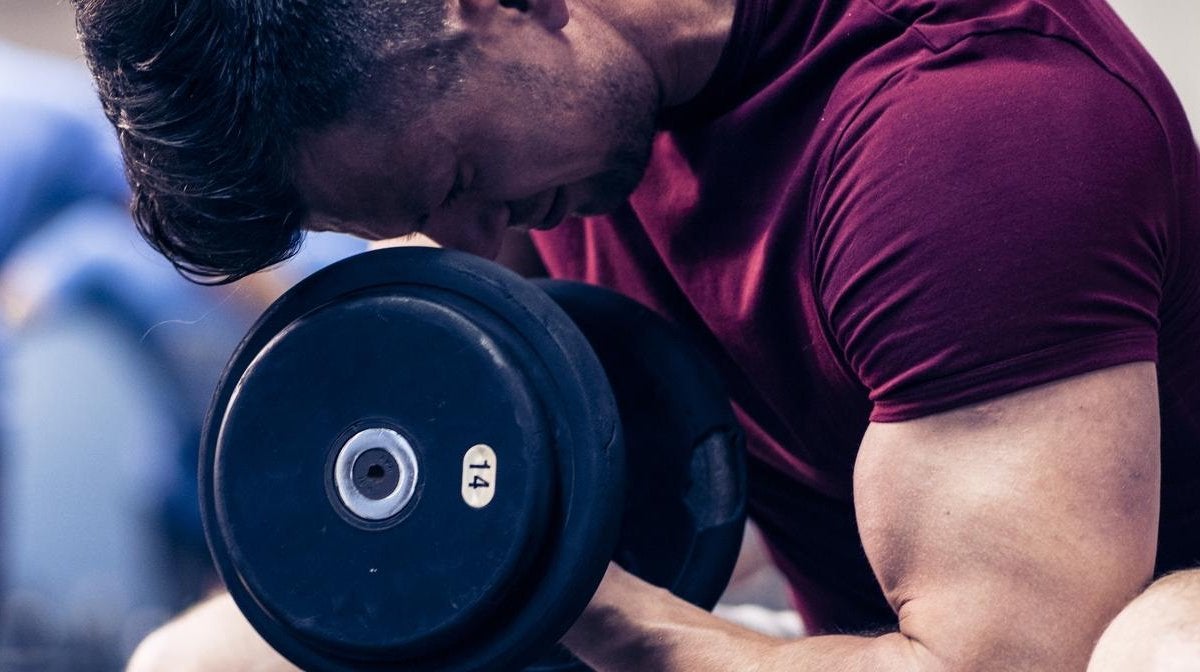
Η μυϊκή υπερτροφία δεν χρειάζεται να είναι πυρηνική φυσική. Υπάρχουν πολλοί τρόποι να ακολουθήσεις ένα πρόγραμμα όγκου - και πολλά συμπληρώματα που θα σε βοηθήσουν να φτάσεις τον στόχο σου. Το να γνωρίζεις ποια θα είναι πιο αποτελεσματικά για σένα μπορεί να είναι το πιο δύσκολο κομμάτι όταν επιλέγεις τα συμπληρώματά σου για όγκο. Ευτυχώς για σένα, έχουμε κάνει εμείς τη σκληρή δουλειά, ώστε να μπορείς να δουλέψεις σκληρά στις προπονήσεις σου στο γυμναστήριο.
Πρώτα απ 'όλα, η σωστή διατροφή είναι το κλειδί για τον σωστό όγκο. Η καλή διατροφή και το πλεόνασμα θερμίδων θα σου δώσουν καθαρή μυϊκή μάζα και θα περιορίσεις το λίπος. Επίσης, παρόλο που η σωστή διατροφή θα σε φτάσει μακριά, η σωστή προπόνηση θα σε κάνει να χτίσεις μυϊκή μάζα.
Εάν αισθάνεσαι ότι έχεις καλυμμένη τη διατροφή και την προπόνησή σου, αλλά εξακολουθείς να μην πετυχαίνεις τους στόχους σου, τότε ήρθε η ώρα να ξεκινήσεις με κάποια συμπληρώματα. Πάμε να δούμε τα καλύτερα συμπληρώματα για το πλάνο όγκου σου:
1. Πρωτεΐνες Όγκου
Για να αυξήσεις το βάρος σου, πρέπει να καταναλώσεις περισσότερες θερμίδες από όσες καις σε μια μέρα. Για μερικούς, αυτό είναι σχετικά εύκολο και με μερικά γεύματα με υψηλή περιεκτικότητα σε υδατάνθρακες και λιπαρά είναι μερικές φορές αρκετό για να κερδίσουν αυτά τα επιπλέον κιλά. Ωστόσο, για κάποιους άλλους, το να κερδίζουν βάρος μόνο από τα τρόφιμα μπορεί να είναι δύσκολο. Ένας βολικός τρόπος για να πάρεις αυτές τις επιπλέον θερμίδες που χρειάζεσαι είναι ένα ρόφημα πρωτεΐνης όγκου. Με περίπου 300-400 θερμίδες ανά ρόφημα, οι πρωτεΐνες όγκου είναι οι τέλειες γρήγορες θερμίδες που συνήθως αποτελούνται από υψηλής ποιότητας πρωτεΐνες, απαραίτητα λιπαρά οξέα και ένα μείγμα υδατανθράκων.
Για παράδειγμα η Weight Gainer Blend περιέχει 388 θερμίδες, 31 γραμμάρια πρωτεΐνης και 50 γραμμάρια υδατανθράκων ανά ρόφημα. Αυτό θα ενισχύσει την πρόσληψη θερμίδων με ποιοτικά θρεπτικά συστατικά, καθώς και θα βοηθήσει στην ανάρρωση μετά από μια σκληρή προπόνηση για να βοηθήσει στην ανάπτυξη των μυών.
2. Ωμέγα-3 & Ωμέγα-6
Υπάρχουν δύο τύποι λιπαρών οξέων που είναι απαραίτητα για ένα υγιές σώμα. Τα ωμέγα-3 και τα ωμέγα-6 δεν μπορούν να παρασκευαστούν από το σώμα, οπότε πρέπει να διασφαλίσεις ότι καταναλώνονται ως μέρος της διατροφής σου. Όχι μόνο έχουν συνδεθεί με την ελαχιστοποίηση του πόνου μετά την προπόνηση, αλλά και μερικά στοιχεία έχουν δείξει ότι υπάρχει δυνατότητα συμπλήρωσης ωμέγα-3 για την ενίσχυση της οξείδωσης του λίπους.
Ίσως αναρωτιέσαι γιατί αυτό το συμπλήρωμα είναι σημαντικό για την απόκτηση μάζας, αλλά η εξασφάλιση της απόδοσής σου στα μέγιστα σημαίνει ότι θα είσαι σε θέση να πετύχεις τους στόχους σου. Επίσης, χτίζοντας άλιπη μυϊκή μάζα και αποτρέποντας την αύξηση του λίπους, σημαίνει ότι διατηρείς καλύτερα την σωματοδόμηση σου καθώς αυξάνεις την μυϊκή σου μάζα.
3. ZMA
Το ZMA είναι ένας συνδυασμός ψευδάργυρου, μαγνήσιου, βιταμίνης Β6 και ασπαρτικού. Μία μελέτη ισχυρίστηκε ότι το ZMA θα μπορούσε να ενισχύσει την τεστοστερόνη, τη δύναμη, τη μυϊκή μάζα και τον χρόνο ανάκαμψης μετά την άσκηση. Ορισμένοι έχουν θεωρήσει ότι αυτό οφείλεται στο ότι το συμπλήρωμα συμπληρώνει μια ανεπάρκεια ψευδαργύρου και μαγνήσιου που μπορεί να οδηγήσει σε μειωμένα επίπεδα τεστοστερόνης στο σώμα.
Εάν πιστεύεις ότι η διατροφή σου μπορεί να έχει έλλειψη ψευδαργύρου και μαγνήσιου ή ότι υποφέρεις από μειωμένα επίπεδα τεστοστερόνης, τότε ίσως θελήσεις να εξετάσεις τη συμπλήρωση με το ZMA για να δεις τη διαφορά στη μυϊκή σου μάζα.
4. Κρεατίνη
Η κρεατίνη είναι ένα συμπλήρωμα που βρίσκεται ήδη φυσικά στο σώμα. Αποθηκεύεται στους μυς ως φωσφορική κρεατίνη και χρησιμοποιείται για την παραγωγή ενέργειας (ATP) κατά τη διάρκεια σύντομων, εντατικών εκρήξεων άσκησης. Η λήψη ενός επιπλέον συμπληρώματος κρεατίνης μπορεί να αυξήσει την ποσότητα που είναι αποθηκευμένη στους μυς σου, γεγονός που βελτιώνει την αναερόβια απόδοση. Αυτό σημαίνει ότι μπορείς να προπονηθείς περισσότερο και να ξεκουράζεσαι γρηγορότερα ανάμεσα στα σετ.
Η κρεατίνη είναι ένα συμπλήρωμα που πρέπει να καταναλώνεις σε μία περίοδο όγκου. Είναι κάτι που υπάρχει συχνά στα συμπληρώματα όγκου, ωστόσο, συνιστάται η συμπλήρωση με μια καθαρή μορφή μικροϊνισμένη μονοϋδρικής κρεατίνης, καθώς μπορείς να ελέγχεις την δοσολογία.
Αυτό είναι ένα από τα πιο συχνά χρησιμοποιούμενα και μελετημένα αθλητικά συμπληρώματα. Ορισμένες έρευνες έχουν δείξει ότι η κρεατίνη μπορεί να αυξήσει γρήγορα τη μυϊκή μάζα του σώματος, ωστόσο αυτό οφείλεται κυρίως στην κατακράτηση νερού που προκαλεί. Η πραγματική ανάπτυξη των μυών προέρχεται από το γεγονός ότι η κρεατίνη μπορεί να αυξήσει την απόδοσή σου στο γυμναστήριο, επιτρέποντάς σου να πιέσεις επιπλέον επαναλήψεις ή να σηκώσεις περισσότερα κιλά. Αυτός ο συνδυασμός συνεισφέρει στην μακροπρόθεσμη μυϊκή ανάπτυξη, καθιστώντας την απαραίτητη στη λίστα σου.
5. Πρωτεΐνη Ορού Γάλακτος
Εάν παίρνεις αρκετές θερμίδες από τη διατροφή σου και δεν χρειάζεσαι τις πρωτεΐνες όγκου, τότε το να διασφαλίσεις ότι θα λάβεις αρκετή πρωτεΐνη μετά την προπόνηση για αναδόμηση και συντήρηση μυών είναι σημαντικό. Η πρωτεΐνη ορού γάλακτος διατίθενται σε πολλές μορφές και γεύσεις, αλλά οι καλύτερες δοκιμάζονται αυστηρά και προέρχονται από πηγές υψηλής ποιότητας.
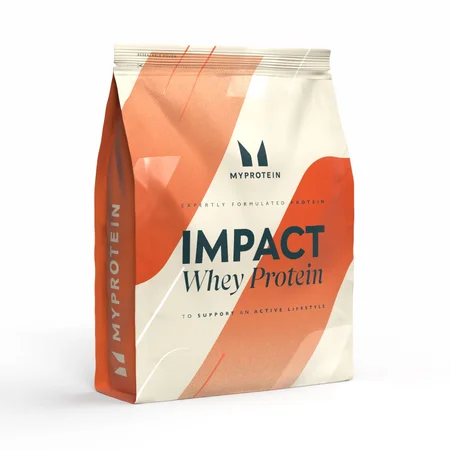
Η Impact Whey Protein προέρχεται από τις ίδιες αγελάδες που παράγουν το γάλα και το τυρί σου, το οποίο στεγνώνει με ψεκασμό για να παράγει όλα τα φυσικά θρεπτικά συστατικά. Έχει επίσης δοκιμαστεί για ποιότητα και καθαρότητα. Υπάρχουν περισσότερες από 40 γεύσεις για να διαλέξεις, οπότε σίγουρα θα βρεις μερικές που θα σου αρέσουν.
Ένα πρωτεϊνικό ρόφημα είναι ένας βολικός τρόπος για να διασφαλίσεις ότι παίρνεις αρκετή πρωτεΐνη, παράλληλα με μια ισορροπημένη διατροφή. Είναι το πιο συχνά χρησιμοποιούμενο συμπλήρωμα στον κλάδο της φυσικής κατάστασης και για καλό λόγο. Μία μερίδα πρωτεΐνης ορού γάλακτος μπορεί να έχει την ισοδύναμη περιεκτικότητα σε πρωτεΐνες ενός μεγάλου στήθους κοτόπουλου. Επιπλέον, η έρευνα δείχνει αναμφισβήτητα ότι ένας συνδυασμός προπόνησης με βάρη και συμπληρώματος ορού γάλακτος οδηγεί σε αύξηση της άλιπης μάζας σώματος.
6. Αμινοξέα
Τα αμινοξέα διακλαδισμένης αλυσίδας (BCAAs) είναι το όνομα που δίνεται σε τρία απαραίτητα αμινοξέα που περιέχουν μια πλευρική αλυσίδα, εξου και το όνομα. Είναι λευκίνη, ισολευκίνη και βαλίνη. Η λευκίνη είναι ο βασικός παράγοντας, καθώς αναβολίζει τον οργανισμό και ξεκινά τη πρωτεϊνοσύνθεση στους μύες, ενώ η ισολευκίνη και η βαλίνη προστίθενται στο μείγμα για να αντισταθμίσουν τη μειωμένη συγκέντρωση αίματος που προκαλείται από την λευκίνη.
Το βασικό πράγμα με τα BCAAs είναι ότι μπορούν να ληφθούν πριν, κατά τη διάρκεια και μετά της προπόνηση σου - βασικά, όποτε σου ταιριάζει καλύτερα. Τα BCAAs κατά τη διάρκεια της έντονης άσκησης μπορεί να μειώσει την υποβάθμιση των πρωτεϊνών, οδηγώντας σε μεγαλύτερη αύξηση της μυϊκής μάζας - οπότε πιες αρκετές γουλιές όσο γυμνάζεσαι. Αξίζει να σημειωθεί ότι μπορείς να πάρεις BCAA από πολλές πηγές πρωτεϊνικών τροφών. Ωστόσο, τα BCAA ανταγωνίζονται άλλα αμινοξέα για το σύστημα μεταφοράς γύρω από το σώμα, οπότε η κατανάλωση BCAA από μόνη της μπορεί να είναι πιο αποτελεσματική από την κατανάλωση πρωτεΐνης που περιέχει BCAA και άλλα αμινοξέα.
7. Υδατάνθρακες
Τα στοιχεία δείχνουν ότι εάν ακολουθείς ένα γενικό πρόγραμμα φυσικής κατάστασης, τότε θα πρέπει, συνήθως, να ικανοποιείς τις ανάγκες σου σε υδατάνθρακες. Ωστόσο, μόλις αρχίσεις να αυξάνεις τις προπονήσεις σου κατά τη διάρκεια του όγκου, ίσως δυσκολευτείς να διατηρήσεις ένα υγιές επίπεδο.
Καθώς οι υδατάνθρακες είναι η κύρια πηγή ενέργειας του σώματος, είναι απαραίτητο να παίρνεις αρκετούς για να τροφοδοτήσεις το σώμα σου κατά την διάρκεια της ημέρα. Επίσης ελέγχουν την απελευθέρωση ινσουλίνης, η οποία βοηθά στην απορρόφηση των θρεπτικών συστατικών που καταναλώνεις στα μυϊκά κύτταρα - αυτό σημαίνει μέγιστη ανάπτυξη των μυών.
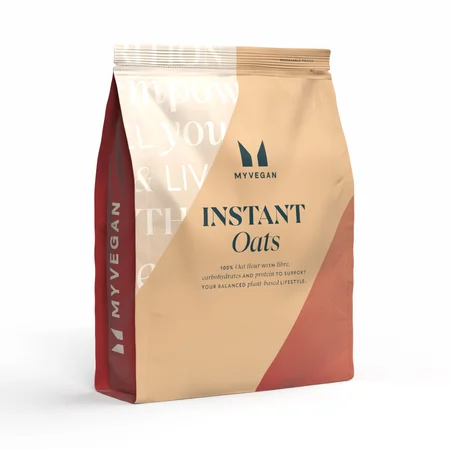
Υπάρχουν τόσες πολλές επιλογές όσον αφορά τα συμπληρώματα με υδατάνθρακες, η οποία επιλογή εξαρτάται κυρίως από το αν θέλεις ενέργεια γρήγορης απελευθέρωσης, ενέργεια αργής απελευθέρωσης ή και τα δύο. Μπορείς να προσθέσεις Instant Oats στο σεϊκερ σου για μια πηγή υδατανθράκων βραδείας απελευθέρωσης. Για γρήγορη απελευθέρωση, ίσως μετά από προπόνηση, ίσως θελήσεις να δοκιμάσεις τους υδατάνθρακες ταχείας δράσης όπως Waxy Maize, Maltodextrin ή Dextrose.
8. Tribulus
Το Tribulus είναι ένα φυσικό φυτό που πιστεύεται ότι αυξάνει τα επίπεδα τεστοστερόνης. Χρησιμοποιείται στο bodybuilding από τη δεκαετία του 1970, όταν οι Βούλγαροι powerlifters διέδωσαν το συμπλήρωμα αποδίδοντας την επιτυχία τους στο φυτικό αυτό εκχύλισμα.
Εικάζεται ότι το Tribulus αυξάνει φυσικά τα επίπεδα της ωχρινοτρόπου ορμόνης, οδηγώντας σε αυξημένη παραγωγή τεστοστερόνης. Αυτό, με τη σειρά του, σχετίζεται με αυξημένη δύναμη και μυϊκή μάζα. Απαιτείται περισσότερη έρευνα για να καταγραφεί η αποτελεσματικότητά του για την αύξηση μυϊκής μάζας, αλλά πάντα μπορείς να ρωτήσεις τους Βουλγάρους powerlifters, ή να το δοκιμάσεις μόνος σου.
9. Πολυβιταμίνες
Οι βιταμίνες είναι βασικές ενώσεις που συμμετέχουν σε σημαντικούς ρόλους σε όλο το σώμα - από τη ρύθμιση του μεταβολισμού έως την προστασία των κυττάρων. Παρόλο που δεν υπάρχουν στοιχεία που να υποδηλώνουν ότι η λήψη υψηλών δόσεων βιταμινών θα βελτιώσει την απόδοσή σου ή ότι θα σου δώσει ένα πλεονέκτημα στην ανάπτυξη μυϊκής μάζας, οι ανεπάρκειες βιταμινών μπορεί δυνητικά να θέσουν σε κίνδυνο ότι έχεις κερδίσει στο γυμναστήριο.
Φυσικά, πρέπει να πάρεις όσες βιταμίνες μπορείς από μια ισορροπημένη διατροφή. Ωστόσο, έρευνα έδειξε ότι ακόμα κι αν τρως πολύ καλά, μπορεί να χάσεις μερικές βιταμίνες. Για να το αποφύγεις αυτό, μπορείς να επενδύσεις σε ένα καλό συμπλήρωμα πολλαπλών βιταμινών για έναν βολικό τρόπο για να βεβαιωθείς ότι έχεις όλα τα πλεονεκτήματα που χρειάζεσαι για να χτίσεις το σώμα που επιθυμείς.
Με λίγα λόγια
Αυτά τα συμπληρώματα είναι ένα εξαιρετικό σημείο εκκίνησης για την επίτευξη μυϊκής υπερτροφίας, αλλά μην περιμένεις να συμβεί σε μία νύχτα. Η μυϊκή ανάπτυξη, όπως οποιοσδήποτε άλλος στόχος γυμναστικής, θέλει χρόνο και στο γυμναστήριο και στην κουζίνα. Βεβαιώσου ότι η διατροφή σου υποστηρίζει την προπόνηση σου και χρησιμοποιείσαι αυτά τα συμπληρώματα για να καλύψεις το κενό και να ενισχύσεις τα αποτελέσματά σου.
Τα άρθρα μας προορίζονται για εκπαιδευτικούς και πληροφοριακούς σκοπούς και δεν πρέπει να χρησιμοποιούνται ως ιατρικές συμβουλές. Για οποιαδήποτε διευκρίνηση, είτε αλλαγές στο διατροφικό σας πρόγραμμα είτε λήψη οποιουδήποτε συμπληρώματος διατροφής, συμβουλευτείτε τον προσωπικό σας επαγγελματία διατροφολόγο ή γιατρό.